



About Us
Welcome to Coast Package Material. Your trusted partner for various packaging products!
Contact UsContact Info
- Operation Center : 365 Hu Tai Road, Shanghai, China, 200070
- +86 18158186165
- info@coastpackage.com
Welcome to Coast Package Material. Your trusted partner for various packaging products!
Contact Us

Sep 29,2026
Stand-up pouches started in food, but you now see them holding protein powder, pet treats, laundry refills, sauces, seeds, and small hardware. If you are weighing a pouch against a jar, can, tub, or carton, the decision comes down to a handful of practical points. Here are ten, along with situations where a pouch isn't the right call.
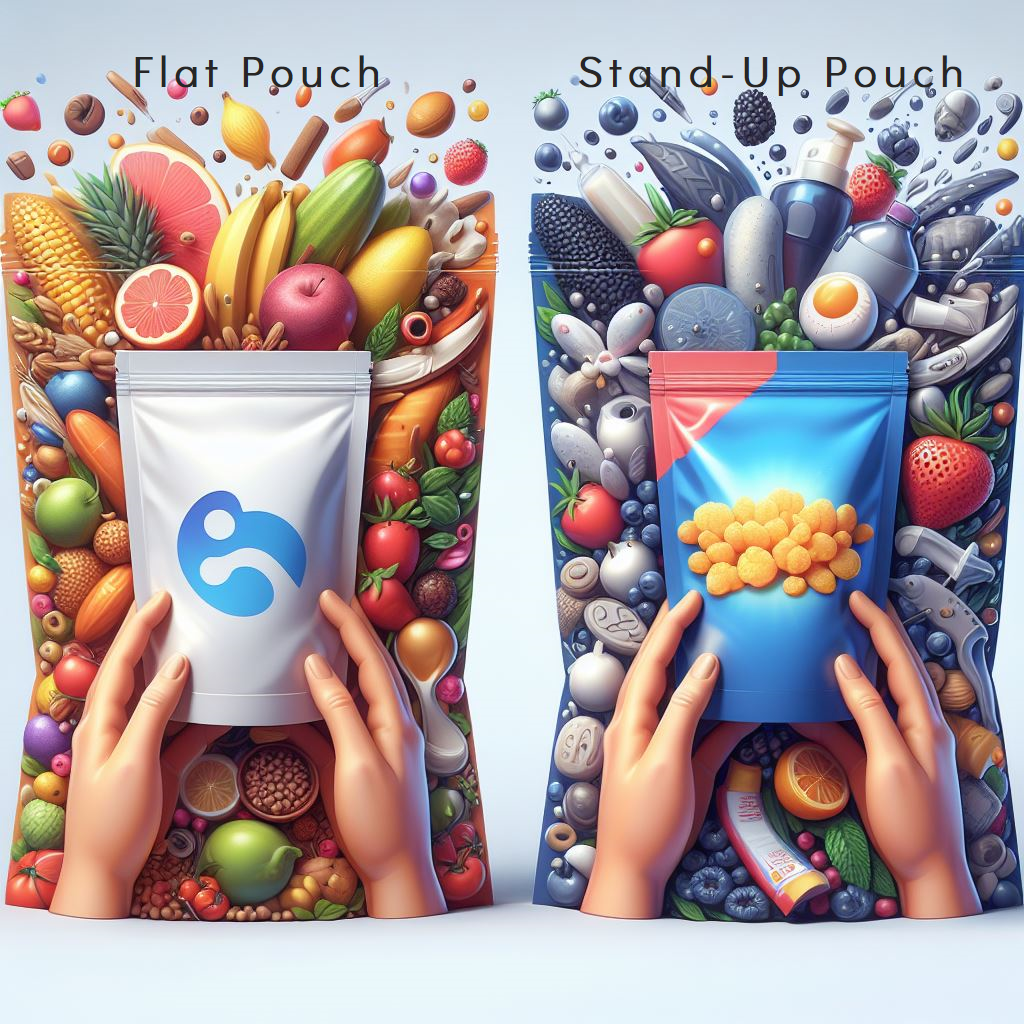
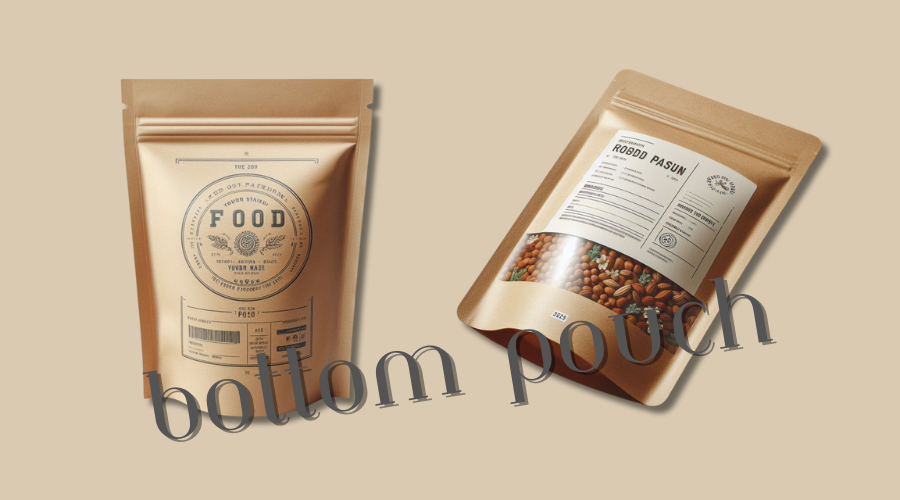
A stand-up pouch has a gusset at the base. Once filled, it opens into a flat footprint and stays upright on a shelf. Add a hang hole or euro slot at the top, and the same pouch works on a peg hook too. The whole front panel faces the shopper, which matters when your product sits between several competitors at eye level.
A pouch is a thin laminated film. A jar is glass or thick plastic plus a lid. In most cases, the pouch weighs far less than the rigid container holding the same amount of product. The exact difference depends on size and structure, so do not rely on a generic percentage. Ask your supplier for the pouch's gram weight, weigh your current container, and compare cost and weight per unit of product. At volume, that comparison often favors the pouch.
Empty pouches arrive flat in cartons. A single carton of pouches can replace several cartons of empty jars or tubs, freeing warehouse space and cutting inbound freight. The filled product still weighs what it weighs, so the freight savings come from the packaging itself, not the contents.
This is where pouches are more flexible than most people expect. The film is a laminate, and the layers decide how well it blocks oxygen, moisture, and light.
Barrier performance is reported as oxygen transmission rate (OTR) and water vapor transmission rate (WVTR). Ask for both numbers for the exact structure you plan to buy. Coffee roasters should also ask about one-way degassing valves.
Zippers, press-to-close strips, and sliders let customers reseal the pouch after opening, helping the product stay fresh and making the pack easy to reuse for storage. Tear notches or laser scores give a clean first opening. For liquids and sauces, a spout fitting turns the pouch into something closer to a squeezable bottle. These features cost a little more per unit, so match them to how your customer actually uses the product.
You can print the front, back, and often the gusset. Finishes include gloss, matte, soft-touch, and spot gloss, and a clear window can show the product inside. The printing method affects cost:
If you are still testing a product, digital is usually the safer start.
Pouches can be built for dry goods, powders, liquids, frozen food, and hot-filled products. Retort pouches are made to survive heat sterilization at around 121 degrees Celsius, which is why you see them used for ready meals and tuna. Different laminates handle each condition, so tell your supplier how the product is filled, sealed, heated, and stored before choosing a structure.
Less material generally means a smaller footprint for production and transport. The catch is end of life. Multi-layer laminates are usually not accepted in curbside recycling. If recyclability matters to your customers or your market, look at these options:
Packaging producer responsibility laws are also spreading, including in several US states and in the EU. Check the current rules for every market you sell in, and ask suppliers for certificates rather than accepting a general "eco-friendly" label.
For food contact, materials need to meet the rules of the market where you sell, such as FDA food contact regulations in the US or Regulation (EC) No 1935/2004 in the EU. Ask your supplier for a declaration of compliance for the specific film. For products that require child-resistant packaging, such as some cannabis and pharmaceutical products depending on jurisdiction, the pouch and closure must be tested against the relevant protocol. In the US, that is 16 CFR 1700.20, and ISO 8317 applies to reclosable packages internationally. A pouch marketed as child-resistant should come with test documentation.
A startup can fill pouches by hand and close them with an impulse heat sealer. A larger operation can use premade pouch filling machines that open, fill, and seal at speed. That means you can begin with a small run and move to automation later without redesigning your package format. Whichever route you take, confirm seal strength. ASTM F88 is the standard test method for seal strength of flexible barrier materials, and a good supplier can share results.
When a Stand-up Pouch is Not the Best Choice
What to Check Before You Order
Frequently Asked Questions
Are stand-up pouches food safe?
They can be, when made from food-contact-approved materials. Ask for compliance documentation for the specific film and ink system.
How long will my product stay fresh in a pouch?
It depends on the barrier layers, how well the pouch is sealed, and how sensitive your product is to oxygen and moisture. Only a shelf-life test with your product can give a reliable answer.
Are stand-up pouches recyclable?
Some are, mainly mono-material designs collected through drop-off programs. Most standard laminated pouches are not accepted in curbside recycling.
Stand-up pouches are worth choosing when you want strong shelf presence, controlled barrier protection, lower packaging weight, and the flexibility to scale from a small run to a filling line. They are less suited to fragile, very heavy, or premium rigid-pack products. Start with samples, test with your own product, and pick the film structure based on data rather than assumptions.